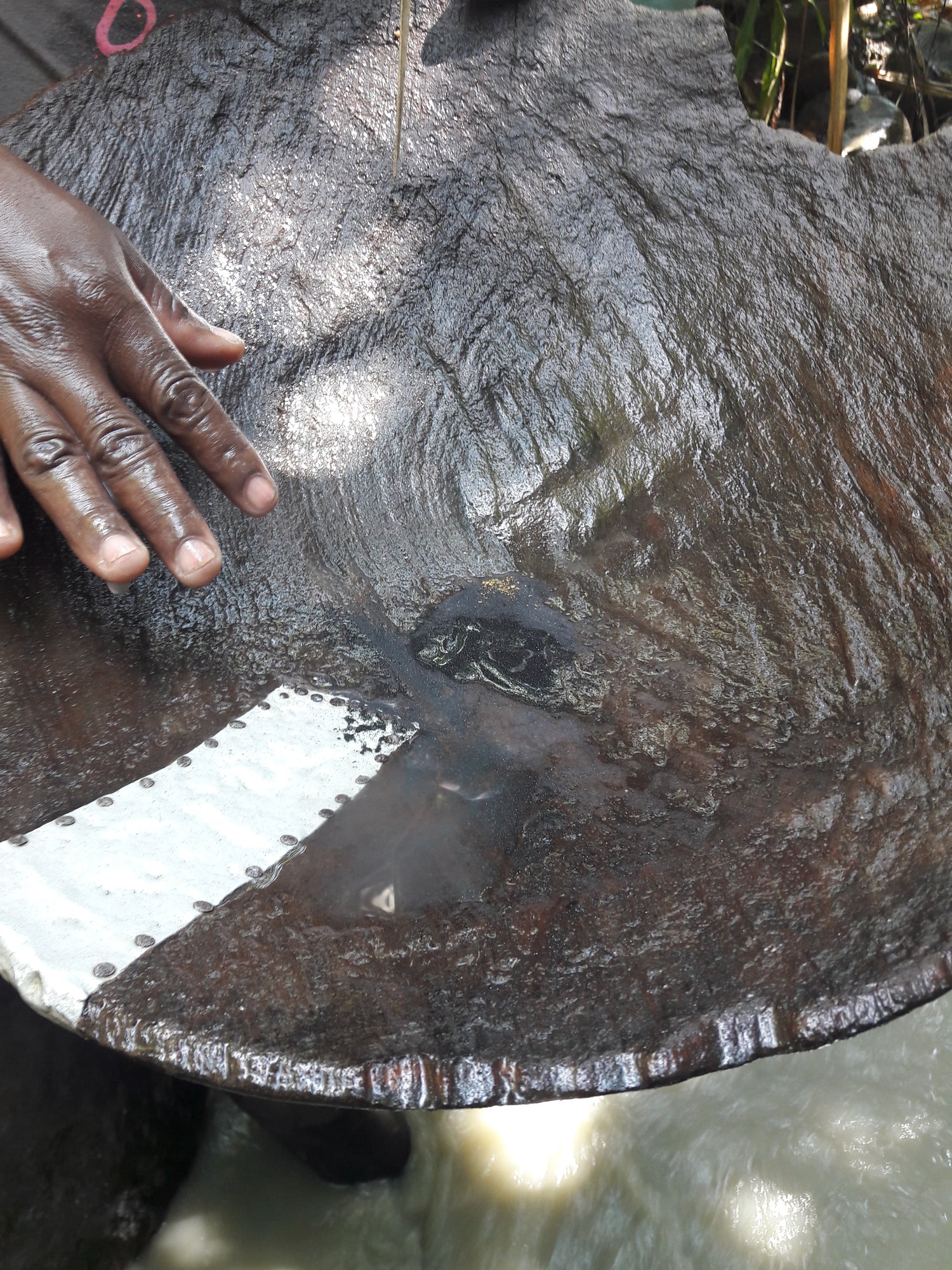
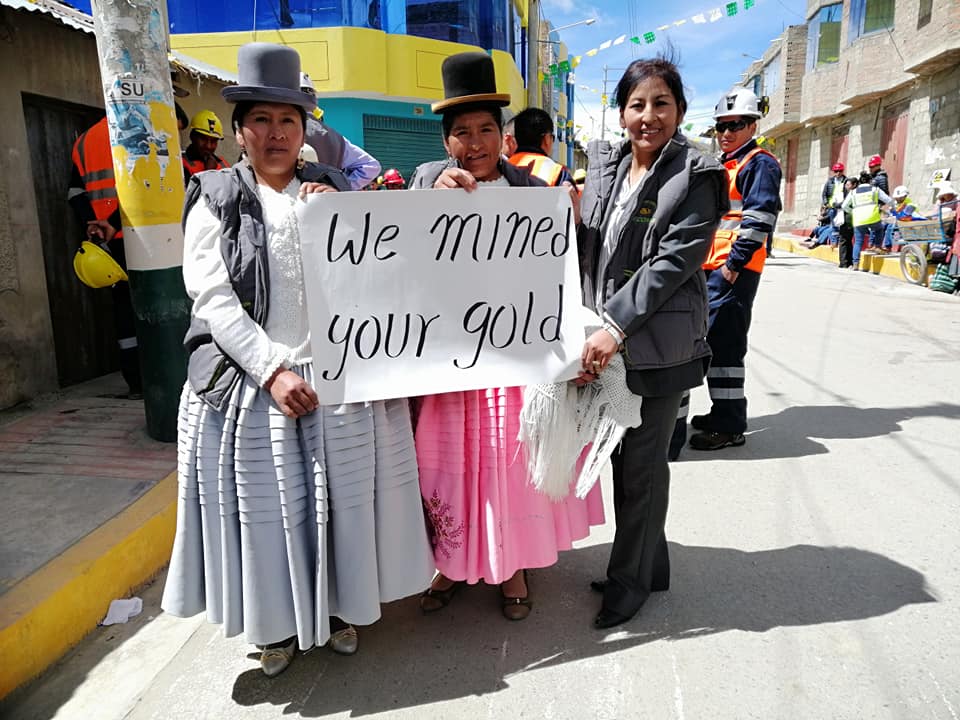
The difference between Fairmined and Fairtrade.
You might already be familiar with the Fairtrade certification and wonder what the difference is with Fairmined. In a sense, there isn't much difference, but Fairtrade Netherlands no longer carries gold. That's why I'm choosing gold and silver with the international Fairmined certification.
Why not recycled gold?
The recycling of raw materials has received a lot of attention in recent years. This is a positive development. Reusing materials before disposal contributes to the production of fewer new products, which is good for the environment. Gold has been recycled for centuries because of its value and excellent reusability.
Why do I mainly work with new gold?
Recycling gold works differently than recycling other raw materials and is not always as sustainable as it seems.
Gold isn't just a raw material for beautiful jewelry. It's a means of payment that also wields influence at the political level worldwide. Because of the value of this raw material, mining for new gold will never stop. Illegally, unsafely, and pollutingly obtained gold, through robbery, extortion, forced labor, and money laundering, is therefore seeping into the legal gold trade, including recycled gold. Furthermore, the total supply of recycled gold is insufficient to meet the general demand. Transparency from suppliers regarding the share of new gold in their production process is often lacking.
Is recycled gold actually recycled?
We recycle raw materials when the product containing the raw material can no longer be used in its current form. Fibers from a worn-out sweater, plastic from a used shampoo bottle, or a broken cardboard box.
Gold recycling doesn't work exactly by this definition.
In the gold industry, residual material from the processing of new gold is also regularly considered "recycled material." This often includes gold that was mined improperly and never made it to market as a product.
This is like buying a new sweater in a poor country at a very low price. Or stealing one from someone else. You then take it apart and make another sweater from it. Then you offer it as a handmade, sustainable sweater made from recycled materials and charge the customer a "fair price." The original owner of the sweater sees nothing in return.
Although many gold suppliers claim to offer 99% recycled gold, they cannot guarantee that the above has not occurred.
Actively contribute to change.
In recent years, more and more companies have begun to claim that they work with recycled gold. Yet, the mining industry continues relentlessly. In my opinion, recycling gold isn't necessarily "wrong." But as long as this process is used to greenwash "dirty gold," it can't be called sustainable. That's why I choose not to focus on recycling, but to actively contribute to change in the mining industry.
When do I use recycling?
If you'd like to have your old gold or silver jewelry transformed into something new, you've come to the right place. I can melt down the material of your jewelry and create a new base material. Or, for example, turn that one pair of earrings into a beautiful pendant without losing the original design.
Does your new design require more material than your old jewelry? Then I'll supplement it with Fairmined precious metals.
Old stock.
During my studies and for several years afterward, I collected a great deal of silver scrap. When I first started Armoise and was looking for a way to make something with all that silver scrap, the Ambrosios collection was born. Today, I still make jewelry in this line with that same stock of silver scrap. One day it will run out, and then... I don't know yet.